
Upper Valley Commercial Real Estate Management: What Landlords Should Expect Next
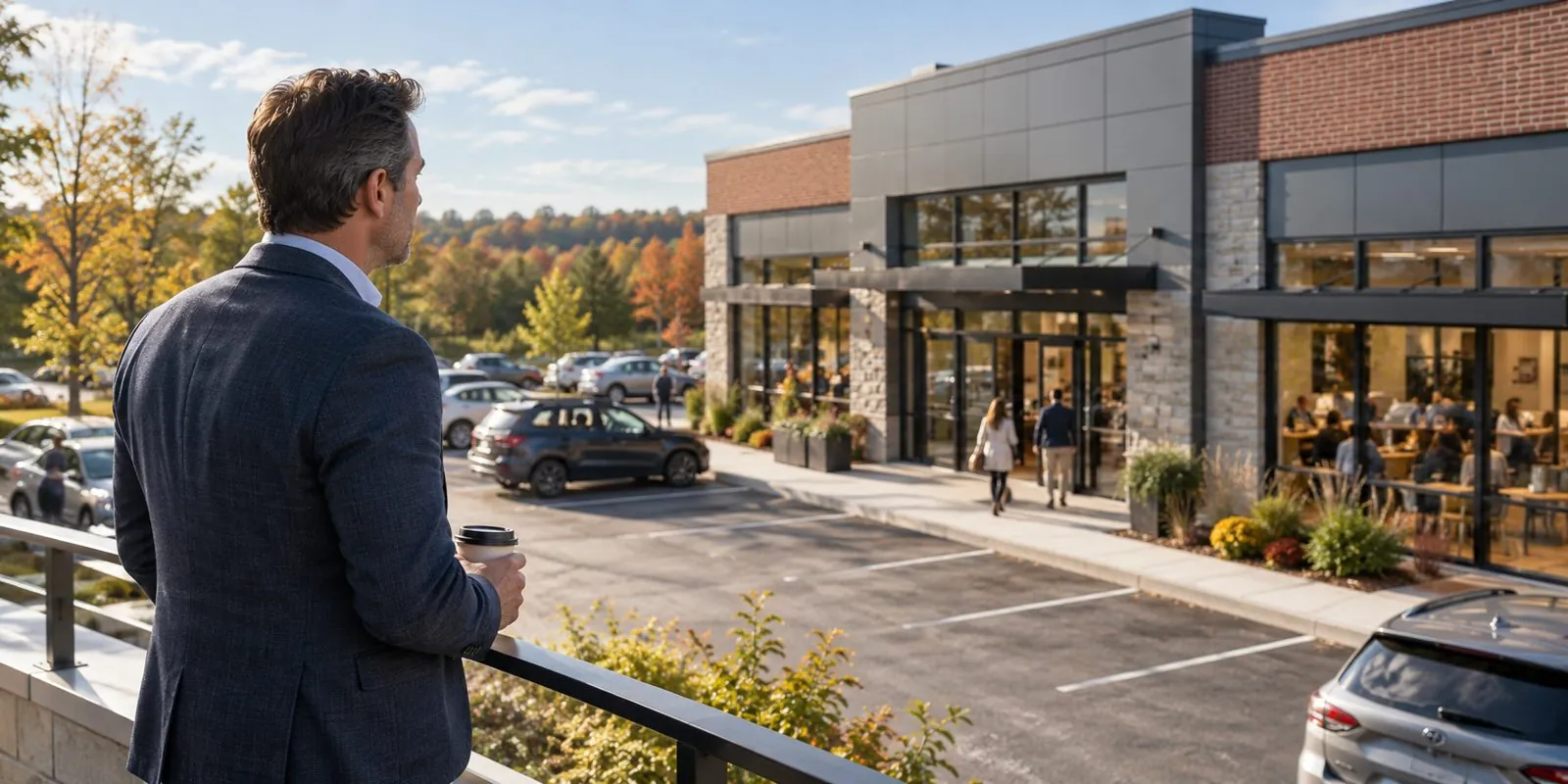
Commercial landlords in the Upper Valley face a distinct set of operating realities. We explain what owners should expect when it comes to leasing, tenant retention, expenses, and building operations.
The Upper Valley Isn't a Generic Commercial Real Estate Market
Managing commercial property in the Upper Valley isn't the same as managing it in Boston, Manchester, Burlington, or Portland.
The region has its own leasing rhythms, tenant base, workforce limitations, infrastructure realities, and cost pressures. Owners who treat it like any other market tend to misjudge tenant demand, overestimate how fast space will lease, or underestimate how much local vendor relationships matter.
We work from one simple principle: local market realities should shape the management plan. For owners of large commercial buildings — particularly 40,000+ square foot office, mixed-use, industrial, retail, and flex properties — understanding those realities is essential to protecting NOI.
1. Leasing Can Move at an Uneven Pace
In many parts of the Upper Valley, demand is there — it just doesn't always move quickly.
Some tenants act fast. Others spend months evaluating space, getting approvals, or lining up internal budgets. Healthcare organizations, educational institutions, professional services firms, specialty retailers, and local and regional businesses often make real estate decisions deliberately. That means owners need a leasing strategy that starts early.
Our approach includes:
- Getting vacant spaces ready before they're listed
- Keeping floor plans and building data current
- Working with brokers proactively
- Offering realistic test-fit guidance
- Identifying current tenants who may want to expand
- Starting renewal discussions 12–18 months before expiration
In a market where the pool of tenants may be smaller than in big metros, holding on to existing tenants is often just as important as finding new ones.
2. Tenant Relationships Carry More Weight in Smaller Markets
In big cities, tenants can feel like transactions. In the Upper Valley, word gets around.
A slow maintenance response, a billing dispute that never gets resolved, or a sloppy renovation can shape how brokers, tenants, contractors, and local professionals see the building. That's why we emphasize:
- Quick work order response
- Clear communication
- Transparent CAM explanations
- Regular tenant check-ins
- Professional conduct from vendors
- Clean common areas
- Visible reinvestment by ownership
In smaller markets, trust builds on itself — and so does frustration. Good property management earns a local reputation that helps with both leasing and renewals.
3. Vendor Availability Is a Real Constraint
Vendor capacity is one of the most overlooked challenges in New England commercial property management.
In the Upper Valley, the best contractors are usually busy. Emergency availability can be limited, specialty trades may need to travel in, and weather can squeeze project schedules. That affects:
- HVAC service
- Roofing
- Electrical work
- Plumbing
- Snow removal
- Paving
- Life safety repairs
- Tenant improvement work
Our edge comes from strong vendor relationships, planning projects early, and writing clear scopes that make buildings easier for contractors to service. Owners who wait for something to break usually pay more and wait longer.
4. Winter Operations Belong in the Budget
In the Upper Valley, snow and ice aren't incidental costs. They affect:
- Parking lots
- Sidewalks
- Loading docks
- Roof drainage
- Entry flooring
- Tenant access
- Insurance exposure
- Janitorial scope
- Landscaping recovery
A solid commercial property management plan in New England addresses winter before the season starts. That means:
- Negotiating snow contracts early
- Defining trigger depths clearly
- Setting standards for salt application
- Mapping snow stacking locations
- Reviewing drainage concerns
- Preparing tenant communications
- Having procedures in place for documenting slip-and-fall incidents
Winter isn't a surprise, and the budget should show it.
5. Expense Growth Should Be Explained, Not Hidden
Commercial tenants are sensitive to rising operating costs, especially when CAM charges aren't well explained.
Owners in the Upper Valley and across New England are under pressure from:
- Insurance premiums
- Utilities
- Labor costs
- Snow and ice management
- Repairs to aging building systems
- Contractor pricing
- Life safety compliance
We believe tenants handle cost increases better when they understand them. We explain:
- What changed
- Why it changed
- What could be controlled
- What was beyond ownership's control
- What management did to hold costs down
Transparency protects trust.
6. Older Buildings Need Proactive Capital Planning
Many New England commercial buildings were constructed or expanded over several decades. That often leaves a patchwork of building systems, roof ages, mechanical equipment, and code conditions. Without a capital plan, owners end up reacting to failures.
We build capital plans around:
- Roof condition
- Remaining useful life of HVAC
- Electrical capacity
- Plumbing risk
- Parking lot condition
- Building envelope and drainage
- Life safety compliance
- Improvements tenants will see
This matters most in larger commercial buildings, where one system failure can hit several tenants at once.
7. Flexible Space Strategies Are Gaining Importance
Many tenants want space that's practical and adaptable. That doesn't necessarily mean high-end buildouts. More often it means:
- Efficient layouts
- Clean finishes
- Good lighting
- Reliable HVAC
- Enough parking
- Strong internet
- Clear signage
- Easy access
For some properties, that may mean repositioning traditional office space toward flex, medical, service, or hybrid uses. For others, it means breaking large vacancies into smaller spaces that are easier to lease. We evaluate space strategy based on actual market demand, not wishful thinking.
8. Owners Need Better Reporting Than "Everything Is Fine"
Large commercial assets require clear reporting. Owners need visibility into:
- Occupancy
- Collections
- Work order trends
- Tenant risks
- Capital issues
- Budget variances
- Vendor performance
- The leasing pipeline
- Compliance status
Our reporting philosophy is straightforward: owners should never be surprised by the condition of their asset. A strong management platform turns day-to-day operations into information owners can act on.
Final Thought
The Upper Valley is a strong commercial real estate market, but a particular one. Owners who do well here understand that tenant relationships, vendor networks, winter operations, capital planning, and local reputation all matter.
For large commercial buildings, hands-off management isn't enough. At CTR Property Management, we help owners operate with discipline, transparency, and local knowledge — the kind of management needed to protect income and asset value in New England.