
Maximize Asset Performance
We help protect and improve NOI through disciplined budgeting, CAM oversight, rent collection, tenant coordination, and proactive operations management.
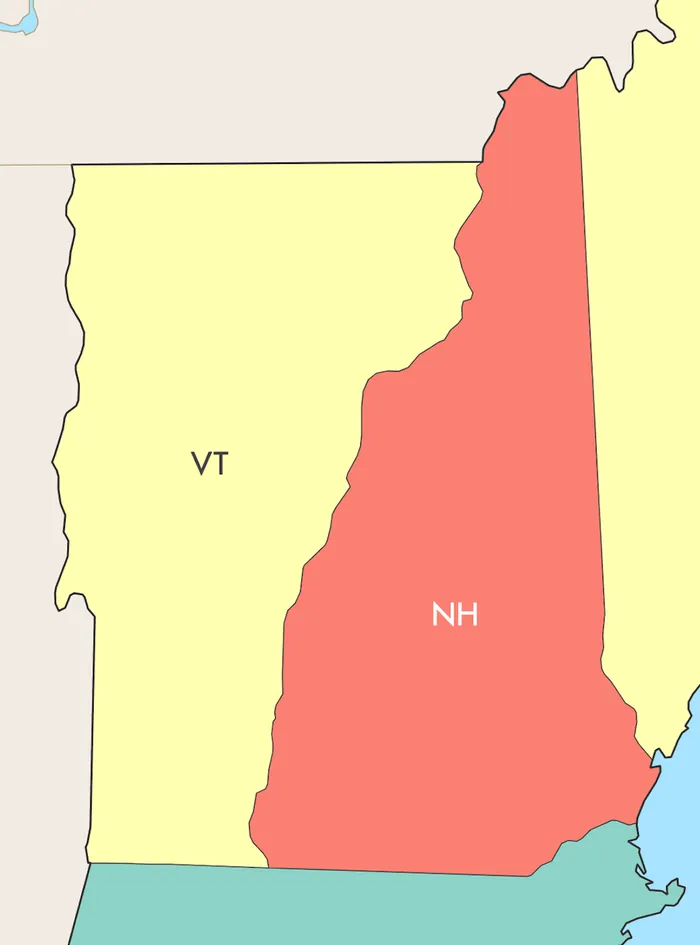
Commercial property management · NH & VT
CTR Property Management helps commercial property owners increase NOI, reduce operational headaches, improve tenant retention, and keep properties running smoothly with hands-on management across New Hampshire and Vermont.
Trusted by owners across New Hampshire & Vermont.
Most property managers maintain buildings. CTR optimizes them.
Across our managed portfolio






Where NOI leaks
Chart summary (illustrative): actual NOI steps down below potential NOI over time as five leaks compound. Vacancy drag (delayed renewals and leasing gaps reduce income): −$25K cumulative; CAM under-recovery (recoverable expenses become owner expenses): −$50K cumulative; Missed rent growth (rents fall behind market opportunities): −$75K cumulative; Uncontrolled expenses (costs increase over time without proactive oversight): −$100K cumulative; Deferred maintenance (small issues become expensive capital projects): −$125K cumulative. Total potential annual NOI leakage: $125,000+.
Delayed renewals and leasing gaps reduce income.
Recoverable expenses become owner expenses.
Rents fall behind market opportunities.
Costs increase over time without proactive oversight.
Small issues become expensive capital projects.
Delayed renewals and leasing gaps reduce income.
Recoverable expenses become owner expenses.
Rents fall behind market opportunities.
Costs increase over time without proactive oversight.
Small issues become expensive capital projects.
Illustrative example for a typical commercial property. Figures are cumulative; actual impact varies by asset.
Why owners choose CTR
Owning commercial real estate should build wealth, not create daily stress. CTR acts as your operations and asset management partner so you can step out of the weeds while gaining better visibility, stronger systems, and improved property performance.
We help protect and improve NOI through disciplined budgeting, CAM oversight, rent collection, tenant coordination, and proactive operations management.

From vendors and maintenance to tenant issues and financial coordination, our team handles the day-to-day so you do not have to.

Responsive communication, organized lease administration, and smooth property operations help create a better tenant experience and stronger long-term retention.

We provide structured reporting, budget support, AR/AP oversight, and coordination with accounting teams so you always know how your property is performing.
More than basic oversight
We partner with owners, investors, and asset stakeholders who need a reliable, experienced team to manage the details that directly impact profitability and asset value.
How we take over

We start by understanding your property, ownership goals, tenant mix, operational pain points, and current management structure.
We review leases, service contracts, vendors, financial workflows, maintenance practices, and operational risks to identify where improvements can be made.
We create a structured onboarding plan that covers communication, systems, vendors, tenant coordination, reporting, and immediate priorities.
Our team takes ownership of day-to-day management, problem solving, financial coordination, and operational execution.
We continuously look for ways to improve performance, reduce inefficiencies, strengthen tenant relationships, and protect long-term value.
The Upper Valley
Missed lease dates, weak vendor oversight, delayed maintenance, inaccurate CAM tracking, and poor tenant communication all chip away at NOI. Strong property management is not just about keeping things afloat. It is about protecting revenue, controlling costs, and preserving the long-term value of the asset.